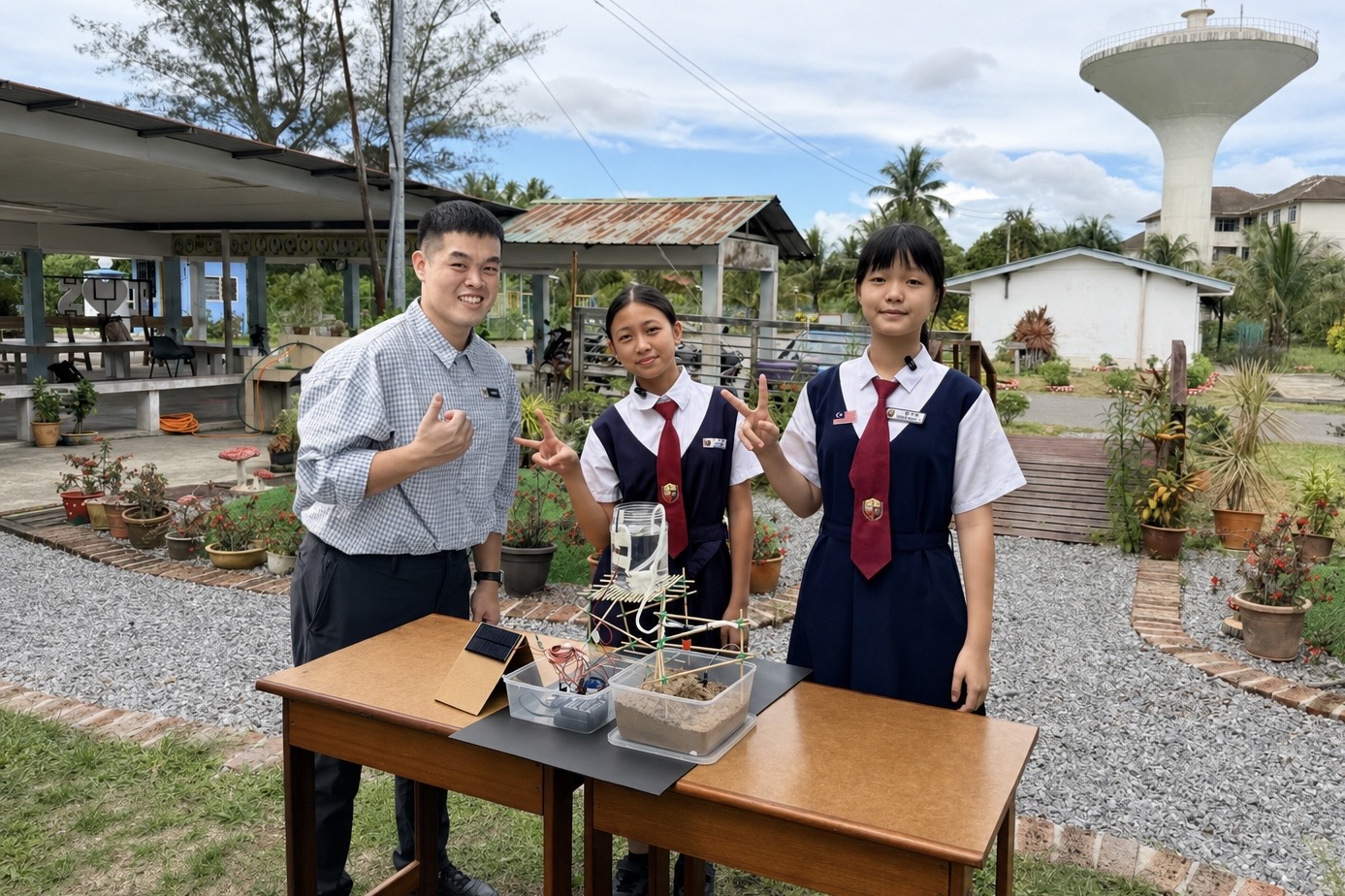
Our school corn was going thirsty.
Our school has a corn garden. Encik, our school gardener, looks after the whole compound. He trims the flowers, cuts the grass, tidies the school grounds, and used to water the corn himself. With so many jobs, the corn sometimes gets less water than it needs, and in Miri's afternoon heat the leaves wilt in a day or two.
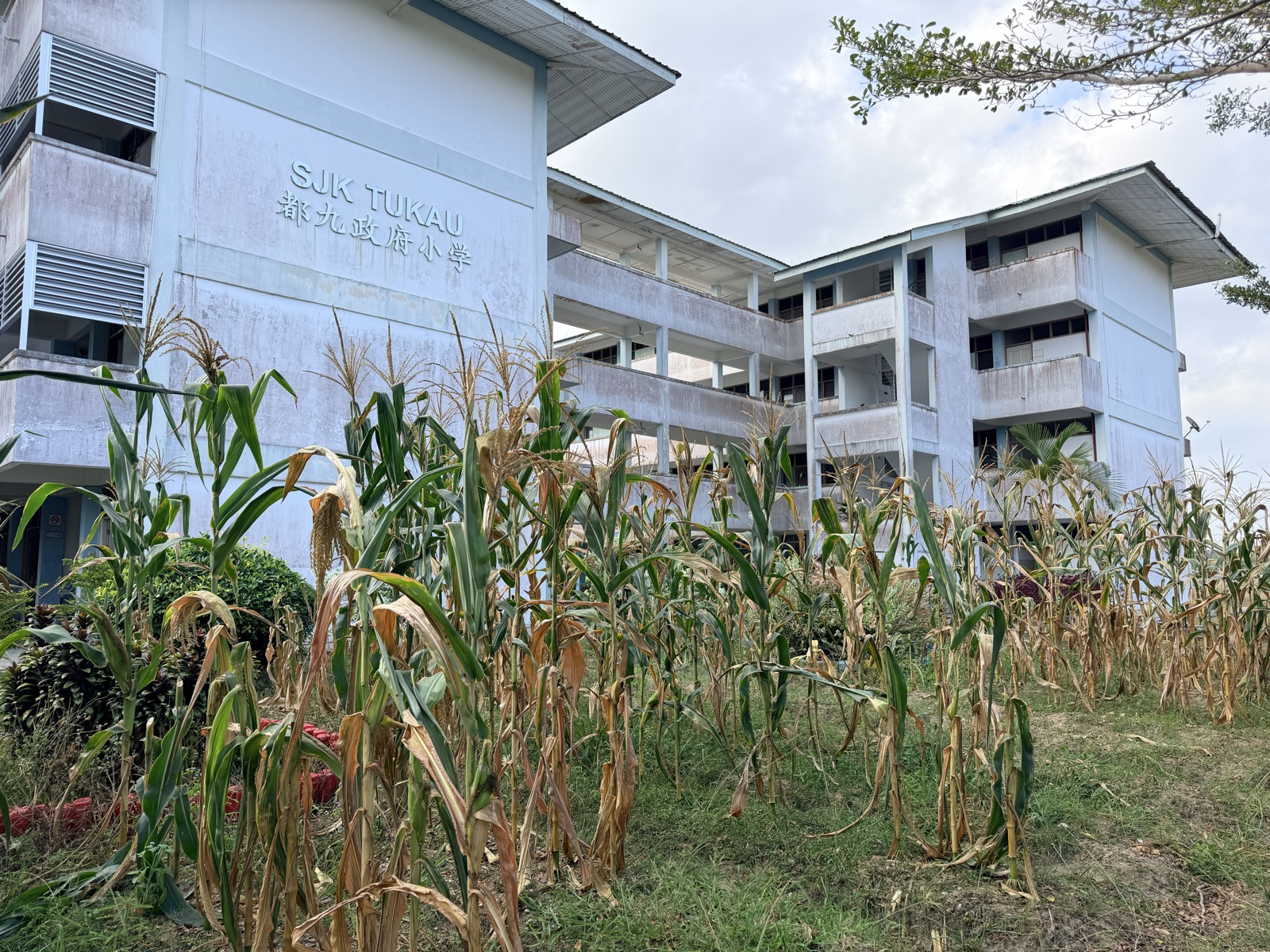
We just want to help Encik, so the corn still gets water even when he is busy. Our system is built for the next planting season.
Sunlight in, water out.
The brain checks the soil. When it is dry, the pump runs on free solar power. When it is wet enough, it stops.
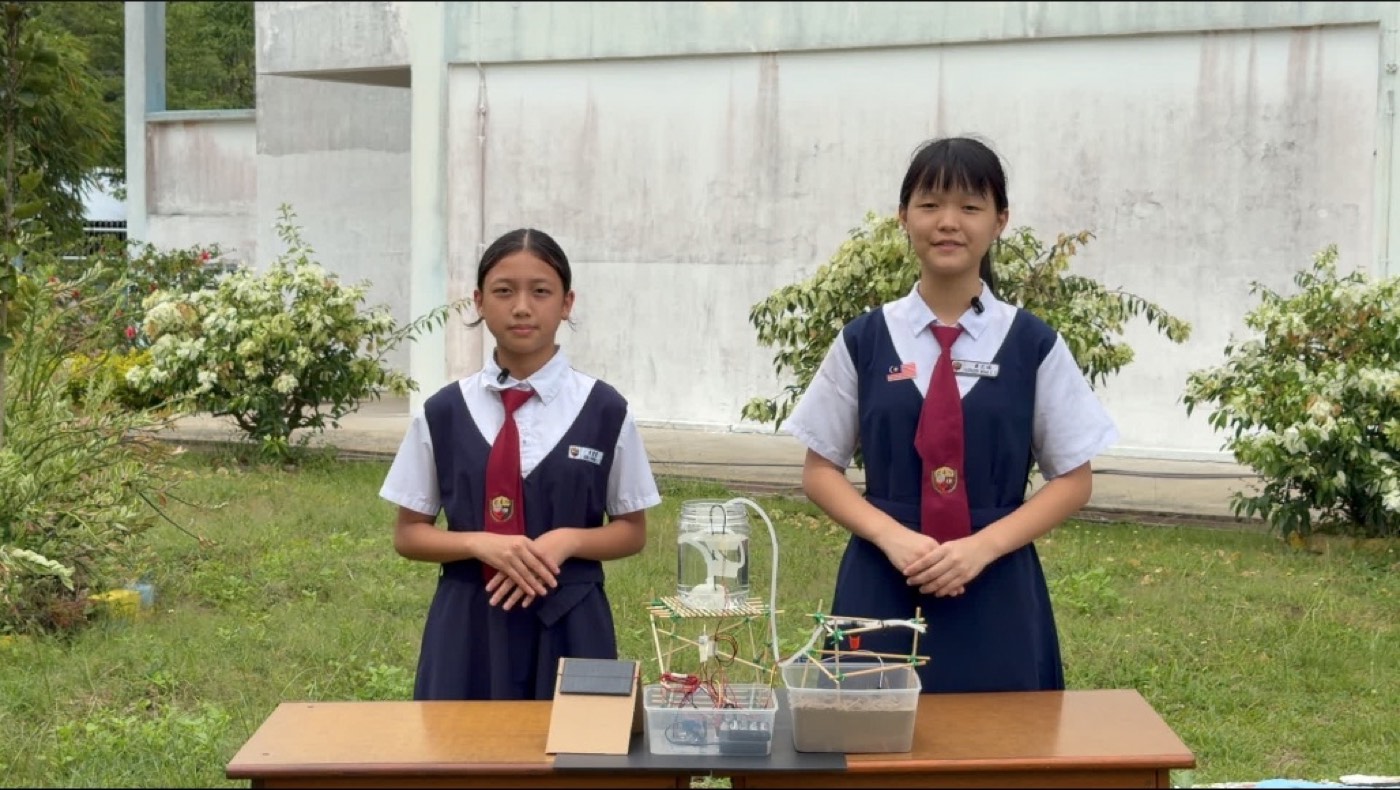
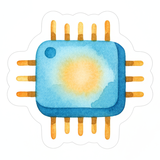
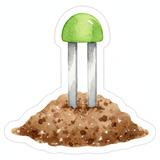

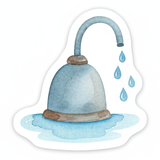
💡 Why solar in the morning? Corn is best watered from 6 to 10am, exactly when the solar panel makes power. So the pump runs straight off the sun, which matches good farming practice. A small battery lets the pump run even without strong sun, for example indoors during this demo. The Arduino brain runs on its own 6V battery box so it stays steady, while solar drives the pump.
Be the sensor 🎛️
Drag the slider to change how dry the soil is. Watch the pump turn on and off using the exact thresholds from our real Arduino code.
Soil-Moisture Pump Simulator
Real science, explained by us.
Four science ideas make the system work, and we can explain each one ourselves.

Solar power Energy
Sunlight hits the special material in the panel and makes electricity flow. This is the photovoltaic effect: clean, renewable, 6V 1W.
Soil sensing Sensing
The more water touching the two legs, the more electricity passes and the lower the number — wet soil reads lower than dry, and full water reads lowest of all. We found this pattern in our own measurements.
Smart control Control
The Arduino reads the soil every 2 seconds and decides: dry → pump on, wet → pump off, then checks again.

Plants & water Biology
Corn drinks in the morning before the heat, when the sun is strongest. We avoid night watering, because soil that stays wet too long can cause root rot.
We tested the sensor 20+ times.
These are typical readings from our tests, and how we chose our thresholds. Higher number = drier soil.
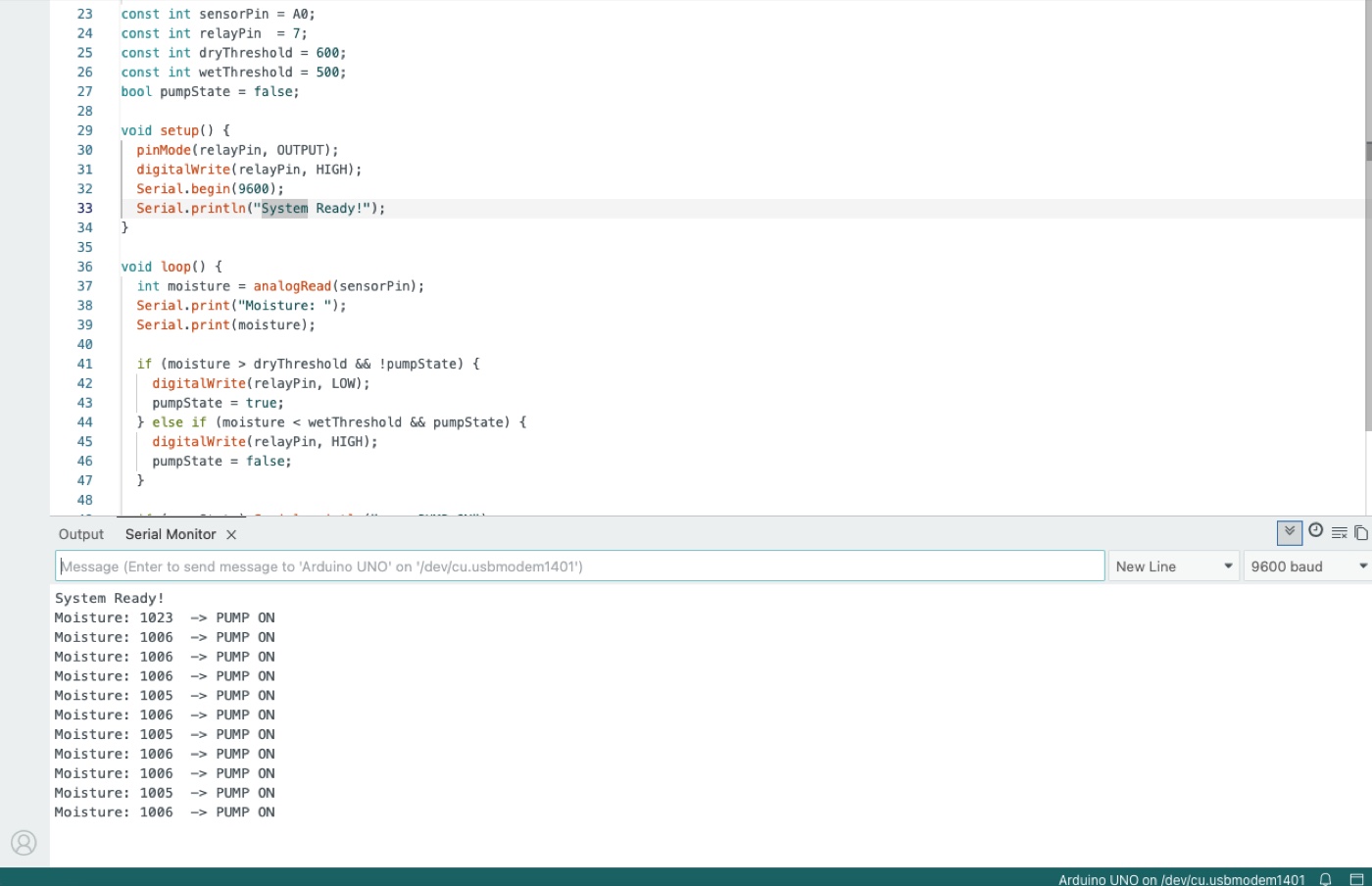
⚙️ Thresholds: pump turns ON above 600 (dry) and OFF below 500 (wet). The 500-600 gap stops the pump flickering at the edge.
Low cost. Green by design.
- Arduino UNO R3 + cableRM 38.61
- Solar panel (6V 1W)RM 12.51
- Jumper wires (3 packs)RM 9.99
- Misting nozzle + silicone tubeRM 7.40
- Pump, soil sensor & relayRM 10.17
- Mini breadboardRM 0.90
Recycled build
Bamboo sticks, recycled containers, and borrowed or donated parts. We bought only the core electronics.
Renewable energy
The pump runs on solar, with no mains electricity.
Water saving
Waters only when the soil is actually dry, so we never water soil that is already wet.
No single-use plastic
Our booth is built the same way, green from project to display.
Good for the corn, good for the planet.
Our system saves water, uses clean energy for the pump, and helps our school grow food. It supports the goals Sarawak is working toward.
Ready for the real cornfield.
So far we tested in pots and cups. For the real cornfield, our plan is:
- Seal the electronics in a waterproof box
- Solder the wire joints so nothing shakes loose
- A bigger tank and pump for the whole garden bed
- Set the sensor at root depth
- A small ESP32 chip to message the caretaker when the tank is low
Anyone can rebuild our system for RM 79.58 in parts, plus recycled containers at no cost.
Timed by the sun, no stored power needed.
Most solar systems add a battery to store power. Ours does not need one, because the sun is strongest in the morning, exactly when corn drinks. We turned that timing into the design. The only batteries we use are small ones that keep the brain steady and let the pump run indoors for a demo. The panel does not charge them, so we are still not storing the sun's power.
Timed by the sun
The panel makes the most power in the morning, which is the best time to water corn. So we water with sunshine, right when it is needed. We store water in our tank, not electricity in a battery, and we do not water at night.
Renewable Energy · the big ideaSmarter than a timer
A timer waters on a clock, even when the soil is already wet. Ours waters only when the soil is truly dry, so water goes in only when the corn actually needs it.
Smart TechnologyEngineered by us
When the pump's power surge kept restarting the brain, we found the cause and split it into two separate circuits so the brain stays steady. That problem-solving is our own engineering.
Our design decisionFive versions of our own code
We wrote and improved the code over five build-and-test cycles: fixing a backwards relay, re-tuning the dry number, stopping the flicker, and splitting the circuits, until the system ran on its own.
IterationFrom a cup to a working system.
Swipe through how our one prototype grew, from version 1 to version 2.
See it in action
From the cornfield to the working prototype, our whole project in five minutes.
Our 5-minute project video will be added here soon.
Test what you learned
Eight quick questions about our solar-powered smart irrigation system. Finish to earn your certificate. It takes about a minute.
Start the quizYour turn 🙋
Tap to rate, react, and leave a message. It updates live for everyone at the booth.
How practical do you find our project?
React 👏
Leave us a message 💬
Live feedback is offline right now. Everything else on the page still works.
Made by us 🙌
SJK Tukau, Miri, Sarawak